Stop Lying to Yourself: Why You Should Judge Your Spouse (And How to Do It Right)
Stop Lying to Yourself: Why You Should Judge Your Spouse (And How to Do It Right)
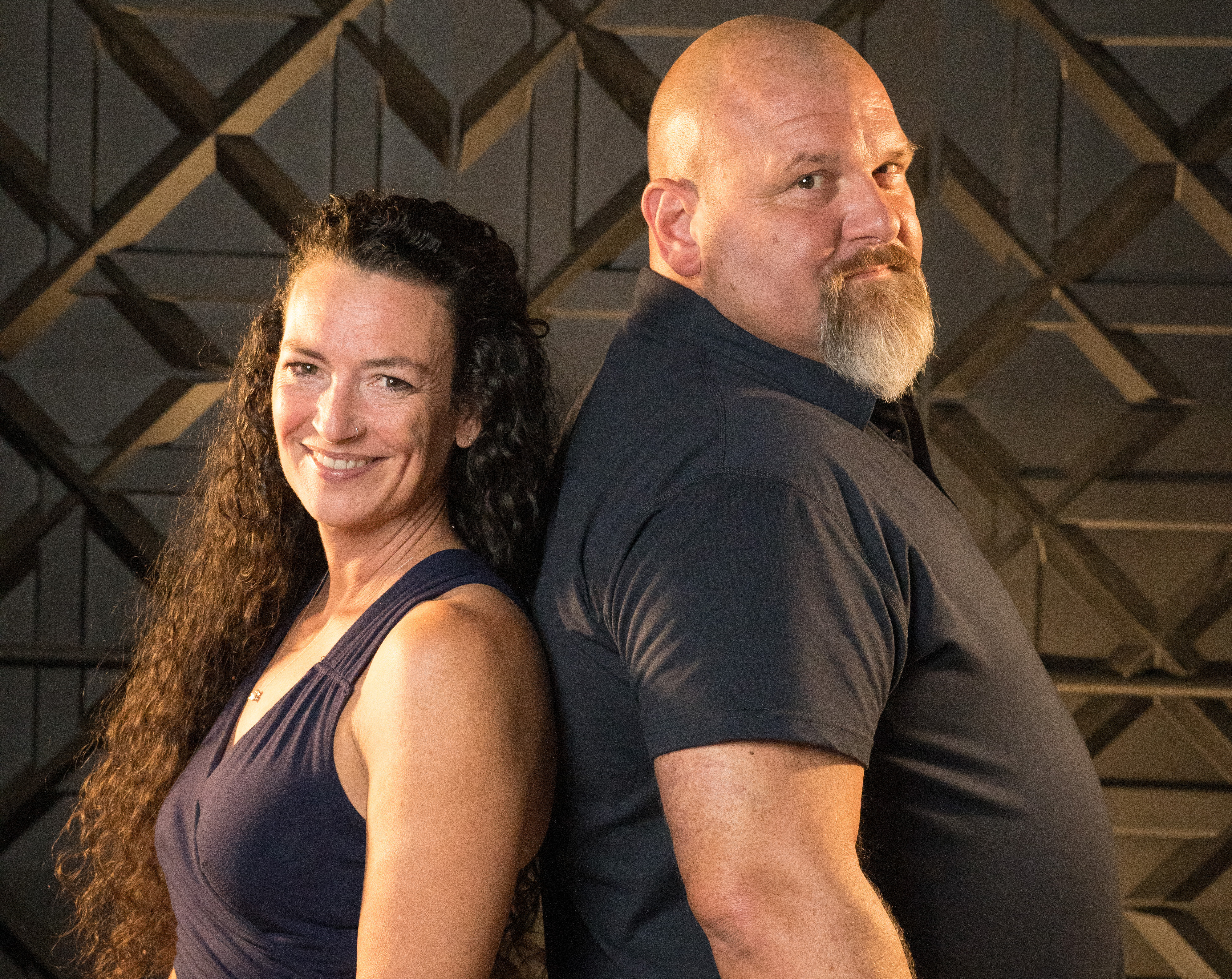
Welcome back to the Powerfully Imperfect podcast. You know the drill: Perfection is a lie, but excellence is achievable. And as your powerfully imperfect hosts, Coach Kevin and Coach Whitney, we're here to tell you the hard truths.
Today, we're ripping into a topic most people avoid: Why you judge the hell out of your spouse. We're talking about judging one another, the trap of expectations, and the brutal reality of intentions versus actions.
Whit thinks she's perfect for me. And she's right. But this "judgment thing"? She claims she never judges anyone. That's a big pile of BS we all sit in.
"Don't Judge Me!" – The Biggest Lie You Tell Yourself
"Don't judge me! Only God can judge me!" We love to say it. We think it all the time about our partners. But here's the truth: You judge people all the time. Constantly. In fact, if you stopped making judgments, you'd have a big problem as a human being. You'd just accept everything, and let me tell you, a lot of what I do, Whit should not accept. And a lot of what Whit does, I should not accept. We can't just constantly swallow each other's crap and pretend it's cake.
We are living, breathing human beings making judgments all the way through our lives. And there's nothing wrong with that. Passing final judgment? Leave that to someone else. But making judgments about people? It's totally fine to judge the hell out of your spouse. It allows you to tell the truth to yourself, not pretending that what they're doing is satisfying you.
Your Self-Talk is Bleeding Into Your Marriage
Here's a problem in long-term relationships: your spouse literally starts to become a part of yourself. You have shared memories, shared thoughts. This is awesome; it makes you efficient as a couple. But the downside? A lot of your self-talk – which, for most of us, is not great ("Ah, that was dumb. Why was I so dumb?") – starts to creep over to your spouse.
You'd never talk to someone like that on a first date. But after a few years of marriage, it becomes common. And what's crazy is, we're unaware of it because that's how we talk to ourselves. But that's a really shitty way to talk to someone else.
The Trap of Pre-Judging: Stifling Growth
Because we've been together so long, we know how our partner has reacted in the past. So, we form a judgment: "I know exactly how he's going to react right now." The biggest problem with pre-judging what your spouse is going to say is: you're probably right. At this point in our relationship, Whit is probably right 95-98% of the time about what I'm going to do or say.
And that's a problem. Why? Because being right 98% of the time means you're precluding the 2%. That 2%, that 5%, that 10% of the time you could have been wrong? You did not allow that person to grow. If you're always expecting anger, you're already putting up your walls, living in an imaginary world.
Give them the opportunity to surprise you. Could you wait to be mad at me until I actually do it? Let it happen. If we want to grow as a couple, we have to hold space and not get our feelings totally torqued when things don't go exactly as we predicted.
Expectations: Hidden vs. Verbalized
A huge source of pain and conflict in marriages is when expectations aren't met. We have expectations all the time, but often, we don't verbalize them.
There are two layers:
Verbalized expectations: "I expect you to..." (and you've actually talked about it).
Hidden expectations: "I really want you to do it, but I'm not going to say anything." Sometimes, we're not even aware of these ourselves.
If you want that expectation met, the best thing to do is actually say, "I would like this right now." It doesn't guarantee you'll get it, but it's far better than silently hoping someone will notice, especially after the 30th time they don't.
The Recipe for Disaster: Intentions vs. Actions
Here's the biggest trap: Most people judge themselves by their intentions, and then judge other people by their actions.
Judging ourselves by intentions: Easy. We know what we meant to do.
Judging others by actions: Easy. We see what they actually did.
This creates a recipe for disaster. If you're judging your spouse by their actions only, and yourself by your intentions only, you're going to have a hard day.
The powerfully imperfect solution: Try to judge your partner by their intentions, and yourself by your actions.
I remember being on my bike in France, brakes failed, I flew into an intersection. The French man whose car I almost hit was furious. But when I looked up and said, "Thank you for not hitting me, my brakes failed," his whole demeanor flipped. He saw my intention (to stop), not just my action (running a red light). That same kind of flip can happen in your relationship.
It doesn't mean actions don't matter. If Whit accidentally punches me in the face every day, I can give her the benefit of intention a few times, but after the third time, I don't care what she intends; here's the result. Results matter. But start with the intention.
Keep Score (On Yourself, Not Them)
Nobody runs a business without KPIs, without keeping score. Why do we think we can do that with life and still get fantastic results?
It's important for you to keep score, not with a Rolodex of what your spouse has done, but on yourself. What actions are you* really taking? How would your partner know that you truly give a damn about what they give a damn about?
And finally, align your expectations. Don't keep them silent. Don't keep them hidden. Let them know. They may still fall short, but it's far better to have the chance of those expectations being met because you communicated them, than just hiding on the side and hoping.
Use Your Voice. Communicate Your Expectations.
This week, use your voice. Communicate what you want. Communicate your expectations so that they can be followed up with action.
This is all about being powerfully imperfect. You're going to fail, you're going to mess up, and that's okay. You can come back more and more powerfully every single time.
We are elite coaches of couples. If you're a power couple who wants coaching – not counseling, but coaching to take an honest look at where you are, where you both want to go, and walk that path together – reach out to us. We'd love to work with you.
